

Here comes hurricane season, NJ: Storm names and forecast for 2026
The big Memorial Day Weekend is just around the corner. And then comes June: The start of climatological summer, the end of the school year, and the official grand kickoff of the Atlantic hurricane season.
Hurricanes can form in any month of the year, but we declare June through November as open season on tropical activity in this part of the world. The historical peak for Atlantic hurricane activity happens when water is warmest, in late summer, around early to mid-September.

Looking Back: 2025
The 2025 hurricane season turned out to be relatively tame in terms of landfalling hurricanes, both here in New Jersey and around the Atlantic basin. There were a total of 13 named storms, of which five became hurricanes, including four that strengthened into major hurricanes (category 3 or higher).
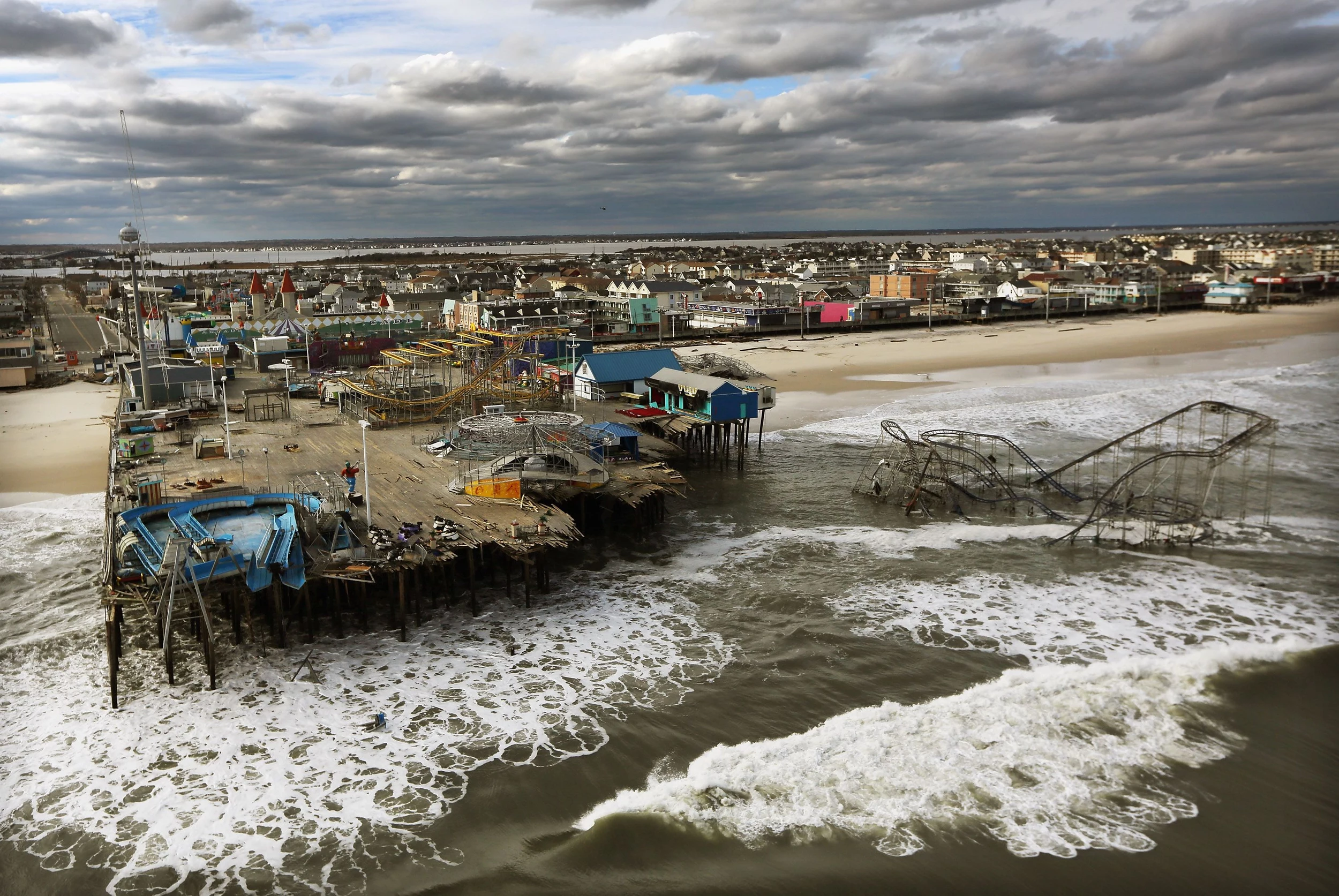
The most significant storm for New Jersey was Hurricane Erin, which made a close pass in August 2025. Rough surf, rip currents, and coastal flooding lasted for several days.

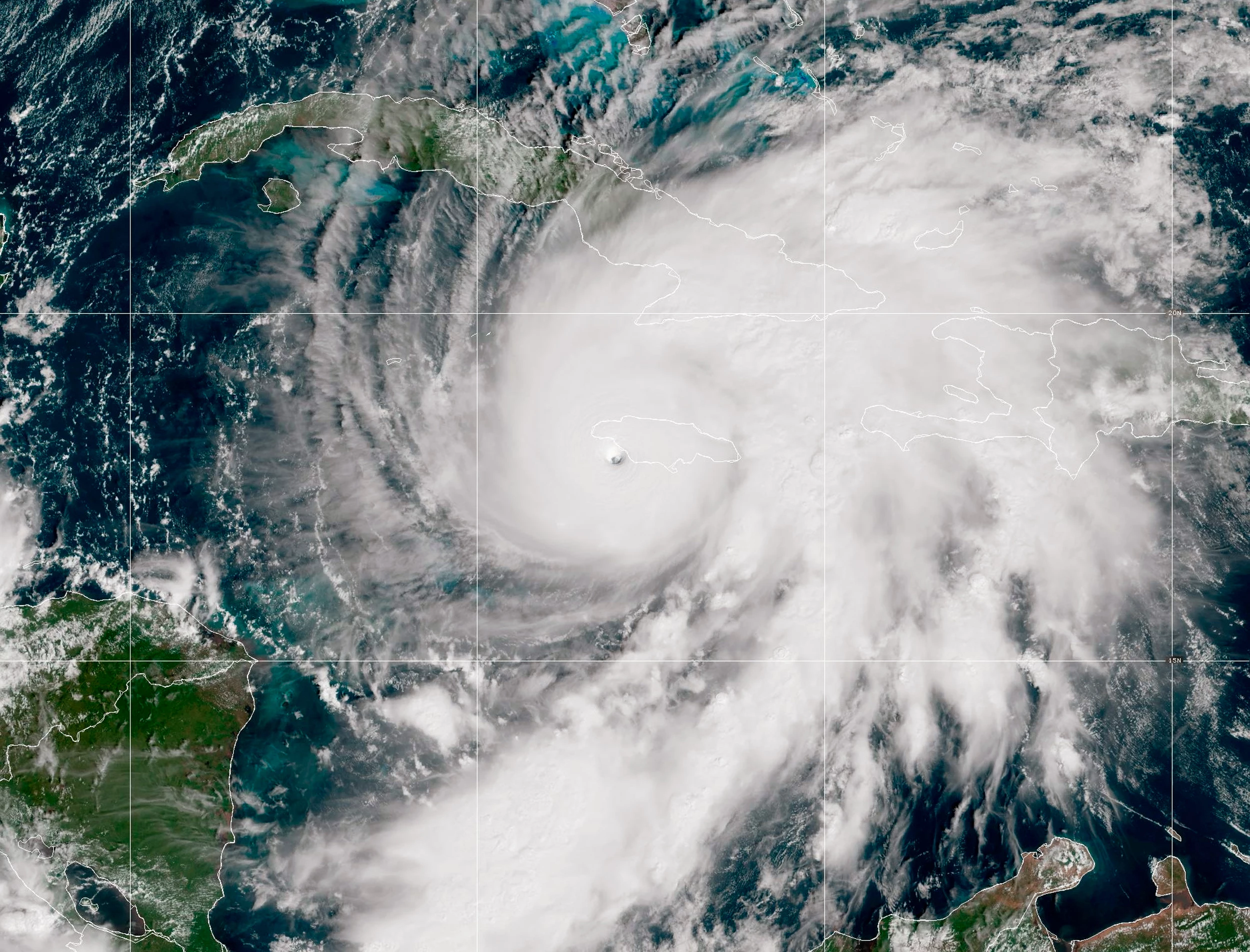
Across the entire Atlantic, the worst storm of 2025 was Hurricane Melissa, the last of the season which formed in October. 95 deaths were reported as a result of the storm, mainly in Jamaica and Haiti. Plus over $12 billion in damages. As a result, Melissa was retired as a storm name, to be replaced by Molly when that particular list recycles in 2031.
Looking Ahead: 2026
The National Oceanic and Atmospheric Administration (NOAA) and the National Hurricane Center (NHC) just issued their official outlook for the 2026 season.
This type of long-range forecasting is very different from the short-range day-to-day weather forecasting I do on the radio. These meteorologists look to long-term weather, climate, and ocean patterns for clues on how things may play out over the next 4 to 6 months. It is very much a guess, but an educated guess.
The official NOAA forecast is confident 2026 will be below-normal for hurricane activity in the Atlantic basin, calling for a total of:
—Between 8 and 14 named storms (winds of 39 mph or higher)
—3 to 6 of those are forecast to become hurricanes (winds of 74 mph or higher)
—Including 1 to 3 major hurricanes (category 3, 4 or 5 with winds of 111 mph or higher)

An average season has 14 named storms with seven hurricanes and three major hurricanes.
The biggest driving factor in this tamer-than-usual outlook is a developing El Nino condition. The "El Nino Southern Oscillation" refers to a cycle of warm water in transit across the tropical Pacific Ocean. When that warm water pools against the South America side of the Pacific, we call it the El Nino phase, which tends to be less conducive to hurricane formation and development in the Atlantic Ocean.
However, NOAA scientists do note that warmer than normal ocean temperatures and light trade winds in the Atlantic would tend to support a more active tropical development. So tropical activity could become a careful balancing act, largely dependent on just how strong that El Nino phase becomes.
Keep in mind, when reading a seasonal forecast like this, you do have to "blur your eyes" a little bit. They often offer shaky accuracy and precision, and they are rarely actionable for the public.
I offer my annual reminder that all it takes is one bad storm to make for a highly memorable, impactful, and catastrophic hurricane season here in New Jersey.
Hurricane Names for 2026
Hurricane names are standardized, chosen by the World Meteorological Organization, and used on a 6-year rotation. So the names that will be used in 2026 were last in use in 2020.
The most notable storm in 2020 here in New Jersey was Isaias. Despite the widespread damage and destruction, the hard-to-pronounce name was not retired and is back on the list this time around.
Storm names alternate boy-girl and never start with the letters Q, U, X, Y, or Z. Is your name on the list this year?
The complete list of storm names for the 2026 Atlantic Hurricane Season
Gallery Credit: Dan Zarrow
Dan Zarrow is Chief Meteorologist for Townsquare Media New Jersey. Check out Dan's weather blog or follow him on Facebook for your latest weather forecast updates.
25 costliest hurricanes of all time
Fuhgeddaboudit! Great Jersey names for a hurricane
Gallery Credit: Steve Trevelise

More From 92.7 WOBM